Hypertension in Diabetics: Double Trouble and How to Manage It - الضغط العالي لدى مرضى السكري: مشكلة مزدوجة وكيفية التعامل معها
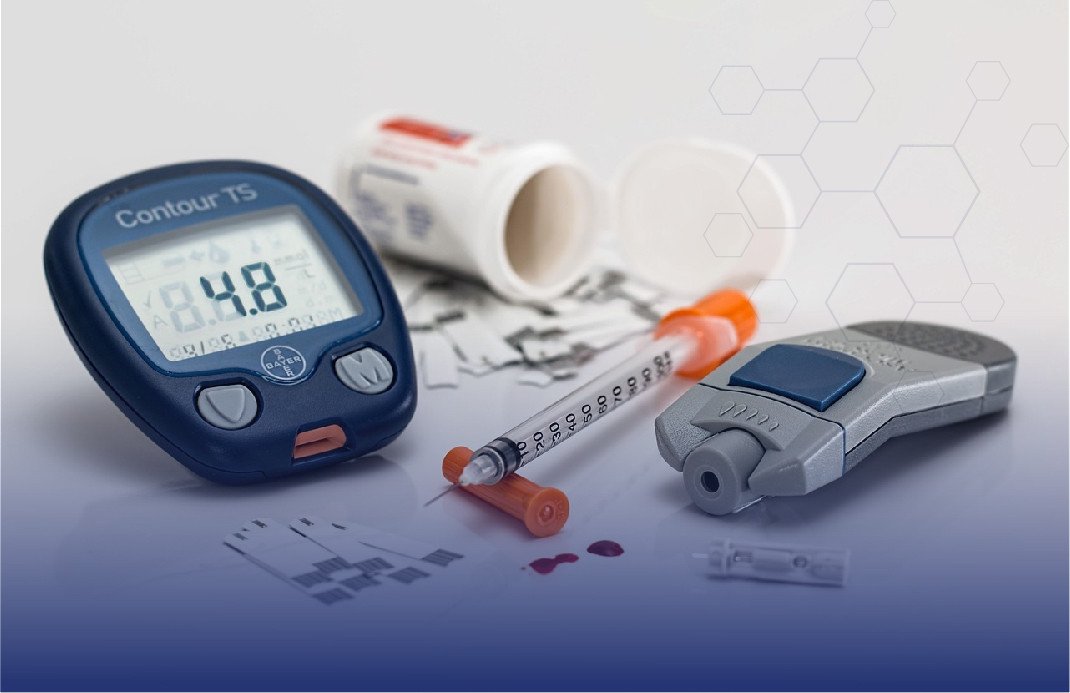
Hypertension in Diabetics: Double Trouble and How to Manage It
High blood pressure is twice as likely to strike a person with diabetes than a person without diabetes. Left untreated, high blood pressure can lead to heart disease and stroke. In fact, a person with diabetes and high blood pressure is four times as likely to develop heart disease than someone who does not have either of the conditions. About two-thirds of adults with diabetes have blood pressure greater than 130/80 mm Hg or use prescription medications for hypertension.
But here’s the truth: it’s manageable. You just need a clear plan, the right support, and daily consistency—not perfection.
Here’s how hypertension and diabetes affect each other, and what you can do to take back control.
Why Hypertension and Diabetes Are So Dangerous Together
When high blood pressure (hypertension) and diabetes occur at the same time, they form a powerful and silent health threat—damaging your heart, blood vessels, kidneys, eyes, and nerves without any warning signs. This dangerous duo is more common than you might think: in Saudi Arabia, up to 55% of people with type 2 diabetes also have high blood pressure.
But why is this combination so risky?
Double Trouble for Your Body
Both diabetes and hypertension harm the blood vessels over time. When combined, they:
Speed up atherosclerosis (hardening and narrowing of the arteries)
Put extra strain on the heart, leading to a higher risk of heart failure and heart attacks
Increase the risk of stroke and permanent brain damage
Worsen diabetic complications like nerve damage, kidney disease, and vision problems
Silently damage vital organs before symptoms even appear
This means that even if you feel perfectly fine, high blood pressure could be harming your body from the inside out—especially if you already have diabetes.
What’s a Safe Blood Pressure Target for Diabetics?
For most people with diabetes, doctors recommend a BP below 140/90 mmHg.
That’s a tighter target than for the general population, because:
Your organs are more vulnerable
High BP + high blood sugar = faster damage
Lower BP reduces risk of stroke and kidney failure
This is where daily tracking really matters—not just waiting for a clinic visit.
Signs You May Have Hypertension (Even Without Symptoms)
Headaches, especially at the back of the head
Blurry vision or eye strain
Dizziness or fatigue
Chest pressure or irregular heartbeat
Swelling in your legs or ankles
Even if you feel fine, your BP may still be too high. That’s why it’s called the “silent killer.”
7 Smart Ways to Manage Hypertension and Diabetes Together
Managing high blood pressure and diabetes at the same time may sound overwhelming—but with the right habits, you can take control of both conditions and protect your long-term health. It’s not just about medication—small lifestyle changes can make a big impact.
Let’s dive into 7 proven ways to tackle both conditions—together:
✅ 1. Track Your Blood Pressure and Blood Sugar Daily
? Knowledge is power. Use simple tools to stay on top of your numbers:
Home blood pressure monitor and glucometer
Log readings in a health app like Blueberry to see trends
Share your data with your doctor to adjust treatment if needed
? Consistent tracking helps prevent dangerous spikes before they become serious.
✅ 2. Take the Right Medications (The Right Way)
? Some blood pressure meds are especially helpful for people with diabetes:
ACE inhibitors and ARBs protect your kidneys
Some lower protein in the urine, a sign of kidney strain
⚠️ Never adjust or skip medications without your doctor's advice.
✅ 3. Cut Back on Salt and Refined Carbs
?? Salt and sugar are a double threat to your blood vessels and blood sugar.
Swap out:
❌ Packaged snacks, fried foods, sugary drinks
✅ Fresh vegetables, lean proteins, legumes, and whole grains
?⚕️ A dietitian (like one from Blueberry) can help build a plan you’ll actually enjoy.
✅ 4. Move Just 20–30 Minutes a Day
?♂️ You don’t need a gym membership to make a difference.
Walk after meals (especially lunch or dinner)
Try gentle movement: stretches, household chores, or prayer walks
Even 10 minutes after eating can lower your blood sugar and BP
? Exercise helps your body use insulin better and keeps your heart strong.
✅ 5. Lose Just 5–10% of Your Weight
⚖️ You don’t need to lose a lot to see results.
Just 5–10% weight loss can reduce insulin resistance
Lowers blood pressure naturally
Easier to maintain than extreme dieting
? Think progress, not perfection.
✅ 6. Quit Smoking (It’s a Game-Changer)
? Smoking speeds up blood vessel damage, worsens insulin resistance, and reduces the effectiveness of medications.
The benefits of quitting:
Improved circulation
Lower BP and better blood sugar control
Reduced risk of heart attack and stroke
? Even cutting down gradually can make a difference.
✅ 7. Manage Stress Mindfully
? Chronic stress raises both your blood pressure and blood sugar.
Try simple daily resets:
✨ Deep breathing, dhikr, or focused prayer
? Journaling or taking screen-free breaks
? Create a calm routine before bed
Stress relief isn’t a luxury—it’s part of your treatment plan.
How Blueberry Makes Managing Both Easier
Handling two chronic conditions is a lot. Blueberry helps simplify the process by:
Tracking both BP and blood glucose in one place
Logging medication use and food intake
Giving you access to coaches, dietitians, and your care team
Sending reminders so you don’t miss key readings
Providing early alerts when numbers trend dangerously high
When your data is organized and your care team is connected, you can stop reacting and start leading your health.
You don’t need to be perfect. You just need to be consistent.
With smart tracking, supportive care, and tools like Blueberry, you can lower your numbers, protect your organs, and live your life with more confidence and less stress.
ارتفاع ضغط الدم لدى مرضى السكري: الخطر المزدوج وكيفية السيطرة عليه
يُعتبر ارتفاع ضغط الدم أكثر شيوعًا بمقدار الضعف لدى الأشخاص المصابين بالسكري مقارنة بغير المصابين.
وإذا تُرك دون علاج، يمكن أن يؤدي إلى أمراض القلب والسكتة الدماغية.
في الواقع، الشخص الذي يعاني من السكري وارتفاع الضغط معًا يكون أكثر عرضة بمقدار 4 أضعاف للإصابة بأمراض القلب مقارنة بمن لا يعاني من أي من الحالتين.
حوالي ثلثي البالغين المصابين بالسكري لديهم ضغط دم أعلى من 130/80 ملم زئبقي أو يستخدمون أدوية لعلاج الضغط.
لكن الحقيقة هي: يمكن السيطرة عليه.
كل ما تحتاجه هو خطة واضحة، ودعم مناسب، والتزام يومي—وليس الكمال.
إليك كيف يؤثر كل من ارتفاع الضغط والسكري على بعضهما البعض، وما يمكنك فعله لاستعادة السيطرة.
لماذا يُعد ارتفاع الضغط والسكري مزيجًا خطيرًا؟
عندما يحدث ارتفاع ضغط الدم (الضغط المرتفع) والسكري معًا، فإنهما يُشكّلان تهديدًا صحيًا قويًا وصامتًا—يدمران القلب، والأوعية الدموية، والكلى، والعينين، والأعصاب دون أي أعراض تحذيرية.
هذا الثنائي الخطير أكثر شيوعًا مما تظن:
في المملكة العربية السعودية، تصل نسبة المصابين بالنوع الثاني من السكري ممن يعانون من ارتفاع الضغط إلى 55٪.
الخطر المزدوج على جسمك:
كلا الحالتين تضر بالأوعية الدموية مع الوقت، وعند اجتماعهما فإنهما:
• يُسرّعان تصلب الشرايين (تضيقها وتصلبها)
• يُجهدان القلب، ما يزيد خطر الفشل القلبي والنوبات القلبية
• يزيدان من احتمالية الإصابة بالسكتة الدماغية وتلف الدماغ الدائم
• يُفاقمان مضاعفات السكري مثل تلف الأعصاب، أمراض الكلى، ومشاكل البصر
• يُسببان تلفًا صامتًا في الأعضاء الحيوية قبل ظهور الأعراض
بمعنى آخر: حتى لو شعرت أنك بخير، فقد يكون ضغط الدم المرتفع يسبب ضررًا داخليًا—خاصة إذا كنت مصابًا بالسكري.
ما هو مستوى الضغط الآمن لمرضى السكري؟
بالنسبة لمعظم مرضى السكري، يُوصي الأطباء بأن يكون الضغط أقل من 140/90 ملم زئبقي.
لماذا هذا الهدف أكثر دقة؟
• لأن أعضاء الجسم تكون أكثر عرضة للخطر
• ارتفاع الضغط + السكر = ضرر أسرع
• خفض الضغط يقلل من خطر السكتات وأمراض الكلى
? المفتاح هو التتبع اليومي—not فقط خلال زيارات العيادة.
علامات قد تدل على ارتفاع الضغط (حتى بدون أعراض)
• صداع، خصوصًا في مؤخرة الرأس
• تشوش أو إجهاد في الرؤية
• دوخة أو تعب
• ضغط في الصدر أو عدم انتظام في ضربات القلب
• تورم في الساقين أو الكاحلين
⚠️ حتى إذا شعرت أنك طبيعي، قد يكون ضغطك مرتفعًا.
ولهذا يُلقّب بـ"القاتل الصامت".
7 طرق ذكية لإدارة ارتفاع الضغط والسكري معًا
قد تبدو إدارة حالتين مزمنتين في آنٍ واحد مرهقة،
لكن مع العادات الصحيحة، يمكنك السيطرة عليهما وحماية صحتك على المدى البعيد.
الأمر لا يقتصر على الأدوية فقط—التغييرات الصغيرة في نمط الحياة تحدث فرقًا كبيرًا.
لنستعرض سويًا 7 طرق مثبتة للسيطرة على الحالتين—معًا:
✅ 1. تتبّع ضغطك وسكرك يوميًا
? المعرفة قوة. استخدم أدوات بسيطة لتبقى مطّلعًا على أرقامك:
• جهاز قياس ضغط منزلي + جهاز قياس السكر
• سجّل القراءات في تطبيق صحي مثل بلوبيري لمتابعة الأنماط
• شارك البيانات مع طبيبك لتعديل الخطة عند الحاجة
? التتبع المنتظم يمنع الارتفاعات الخطيرة قبل فوات الأوان
✅ 2. تناول الأدوية المناسبة (بالطريقة الصحيحة)
? بعض أدوية الضغط مفيدة بشكل خاص لمرضى السكري:
• مثبطات ACE ومضادات ARB تحمي الكلى
• وبعضها يُقلل من تسرب البروتين في البول (علامة على إجهاد الكلى)
⚠️ لا تتوقف أبدًا عن تناول الأدوية أو تعدلها بدون استشارة الطبيب.
✅ 3. قلل من الملح والكربوهيدرات المكررة
?? الملح والسكر = تهديد مزدوج للأوعية الدموية وسكر الدم
استبدل بـ:
• ❌ الوجبات الخفيفة المعلبة، المقليات، المشروبات السكرية
• ✅ الخضار الطازجة، البروتينات الخالية من الدهون، البقوليات، والحبوب الكاملة
?⚕️ أخصائية التغذية (مثل الموجودة في بلوبيري) يمكن أن تساعدك على بناء خطة ممتعة وسهلة الالتزام.
✅ 4. تحرك 20–30 دقيقة يوميًا
?♂️ لست بحاجة لصالة رياضية لتحدث فرقًا:
• امشِ بعد الوجبات (خصوصًا الغداء أو العشاء)
• جرّب الحركات البسيطة: تمارين الإطالة، الأعمال المنزلية، المشي بعد الصلاة
• حتى 10 دقائق بعد الأكل تقلل من السكر والضغط
? الرياضة تساعد الجسم على استخدام الأنسولين وتحافظ على قوة القلب.
✅ 5. فقدان 5–10٪ فقط من وزنك
⚖️ لست مضطرًا لفقدان الكثير لرؤية النتائج:
• هذا القدر البسيط من فقدان الوزن يقلل من مقاومة الأنسولين
• ويخفض الضغط بشكل طبيعي
• أسهل في الحفاظ عليه مقارنة بالحميات القاسية
? تذكر: التقدّم أهم من الكمال
✅ 6. أقلع عن التدخين (سيغيّر حياتك)
? التدخين يُسرّع تلف الأوعية، يزيد مقاومة الأنسولين، ويُضعف فاعلية الأدوية
فوائد الإقلاع:
• تحسين الدورة الدموية
• خفض الضغط وتحسين سكر الدم
• تقليل خطر النوبات والسكتات
? حتى التخفيف التدريجي له أثر إيجابي
✅ 7. سيطر على التوتر بوعي
? التوتر المزمن يرفع الضغط وسكر الدم معًا
جرّب فترات استرخاء يومية:
• ✨ تنفس عميق، ذكر، أو دعاء بتركيز
• ? الكتابة في دفتر أو الابتعاد عن الشاشات
• ? إنشاء روتين هادئ قبل النوم
التعامل مع التوتر ليس رفاهية—بل جزء من خطة العلاج.
كيف يساعدك Blueberry في إدارة الحالتين بسهولة
التعامل مع حالتين مزمنتين ليس سهلاً.
لكن بلوبيري يجعل الأمر أبسط من خلال:
• تتبّع ضغط الدم وسكر الدم في مكان واحد
• تسجيل الأدوية والطعام بدقة
• الوصول إلى مدربين وأخصائيي تغذية وفريقك الطبي
• إرسال تنبيهات كي لا تفوت قراءات مهمة
• توفير إنذارات مبكرة عند حدوث تغيّرات مقلقة
مع التتبع الذكي، والرعاية الداعمة، وأدوات مثل Blueberry، يمكنك المحافظة علي صحتك، وعيش حياتك بثقة وراحة أكثر.
المنشورات الأخيرة
Hypertension in the Elderly: Tailoring Treatment for Aging Bodies - ارتفاع ضغط الدم لدى كبار السن: علاج مخصص لأجسام متقدمة بالعمر

Managing Blood Pressure During Hajj and Umrah Safely - التحكم بالضغط أثناء الحج والعمرة بأمان

Pediatric Hypertension: What Parents in Saudi Arabia Should Know - ارتفاع الضغط لدى الأطفال: ما يجب أن يعرفه الأهالي في السعودية
Hypertension in Diabetics: Double Trouble and How to Manage It - الضغط العالي لدى مرضى السكري: مشكلة مزدوجة وكيفية التعامل معها

High Blood Pressure in Young Adults: An Alarming Trend in Saudi Arabia - ارتفاع ضغط الدم لدى الشباب: ظاهرة مقلقة في السعودية
Hypertension in Women: Hormones, and Menopause - ارتفاع الضغط لدى النساء: تأثير الهرمونات وسن اليأس

Hypertension during Pregnancy - ارتفاع الضغط أثناء الحمل

Hypertension and Cognitive Decline: Protecting Your Brain Health - ارتفاع الضغط والتدهور الذهني: كيف تحمي صحة عقلك؟
Can You Ever Stop Taking BP Medications? A Realistic Look - هل يمكنك التوقف عن تناول أدوية الضغط؟ نظرة واقعية