Hypertension in the Elderly: Tailoring Treatment for Aging Bodies - ارتفاع ضغط الدم لدى كبار السن: علاج مخصص لأجسام متقدمة بالعمر
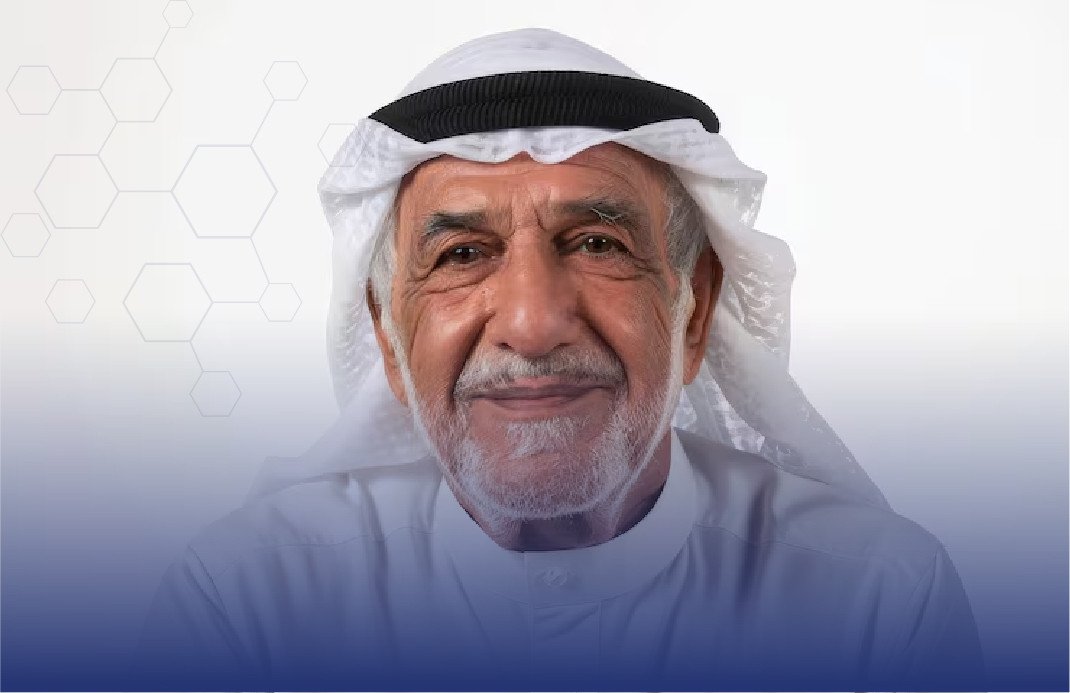
Hypertension in the Elderly: Tailoring Treatment for Aging Bodies
High blood pressure becomes more common as we age—but that doesn’t mean it should be treated the same way in every patient. There is a high prevalence of hypertension in older adults. This condition is undoubtedly associated with increased morbidity and mortality, and it is therefore mandatory to treat hypertension, even in older age. However, blood pressure targets for pharmacologically treated hypertension have not been fully defined.
In fact, managing hypertension in elderly adults requires special care. Focusing on hypotension, comorbidities, polytherapy, adherence/persistence to medical prescriptions and any condition of frailty, may help tailor treatment to individual patients and to optimise potential benefits and to avoid adverse effects of treatment. Aging bodies process medications differently, have different risks, and need treatment plans that prioritize safety, balance, and quality of life—not just “hitting the numbers.”
Here’s what seniors and caregivers in Saudi Arabia should know about customizing hypertension treatment for older adults.
Why Hypertension Is So Common in the Elderly
As we age, blood vessels naturally become stiffer and less elastic. That makes it harder for blood to flow freely—and causes systolic pressure (the top number) to rise.
Over time, arteries lose their natural flexibility due to:
Thickening and calcification
Build-up of fatty plaques (atherosclerosis)
Loss of elastin and increase in collagen—the proteins that normally keep arteries stretchy and elastic
Other age-related factors include:
Decreased kidney function
Years of accumulated risk (salt, stress, cholesterol)
Long-term conditions like diabetes, heart disease, or arthritis
Medication interactions or dehydration
By age 65, more than 60% of adults are living with high blood pressure.
Risks of Over-Treating in Older Adults
While high blood pressure is dangerous, lowering it too aggressively in the elderly can also cause harm.
If medications push BP too low, it may lead to:
Dizziness or fainting
Falls and fractures
Confusion or brain fog
Poor kidney function
That’s why treatment must be carefully adjusted—especially in older patients who are frail, underweight, or managing multiple conditions.
⚖️ The goal is balance: protect the brain, heart, and kidneys without overburdening the body.
What’s the Ideal BP Target for the Elderly?
For most elderly adults under 80 years, a systolic BP target below 130-140 mm Hg is recommended. This is supported by studies showing that intensive BP control reduces cardiovascular events such as stroke and heart attack without significantly increasing adverse effects like dizziness or falls.
For very old adults (80 years and older) or those who are frail, a more lenient target of 140-150 mm Hg systolic is often advised to balance benefits and risks, as overly aggressive lowering may increase risks of hypotension and related complications
The exact target depends on:
Mobility and fall risk
Cognitive function
Heart, kidney, and diabetes status
Overall strength and independence
Blueberry helps care teams track trends over time—not just single readings—so they can safely adjust treatment as the body changes.
Common Challenges in Elderly Hypertension Management
? 1. Polypharmacy (Too Many Meds)
Many seniors are on 5+ medications. Adding more pills increases the risk of side effects, drug interactions, and confusion.
? 2. Orthostatic Hypotension
Blood pressure drops suddenly when standing, causing lightheadedness or falls.
? 3. Cognitive Decline
Forgetfulness or dementia may lead to missed doses or accidental double dosing.
? 4. Appetite, Salt, and Fluid Imbalance
Low appetite or dehydration can amplify medication side effects.
6 Smart Strategies for Tailored Treatment
✅ 1. Start Low, Go Slow
Doctors usually begin with low doses and increase slowly based on how the patient feels—not just the numbers.
✅ 2. Use Combo Pills If Possible
Fewer pills = better adherence. Some meds combine two drugs in one tablet to simplify treatment.
✅ 3. Check BP Sitting and Standing
Helps detect sudden drops that increase fall risk. Blueberry can log these readings separately.
✅ 4. Prioritize Function, Not Perfection
If a slightly higher BP keeps the patient steady and independent, that may be safer than aggressive treatment.
✅ 5. Review Medications Regularly
Every 6–12 months, review all prescriptions with a doctor or pharmacist.
✅ 6. Support From Family or Caregivers
Daily pill boxes, reminders, and Blueberry’s tracking features help loved ones stay informed and involved.
How Blueberry Supports Elderly Hypertension Care
Blueberry is designed to simplify chronic care for seniors by:
Logging BP, symptoms, and side effects over time
Tracking multiple medications and reminding caregivers
Connecting doctors, dietitians, and family in one system
Adjusting care plans based on changes in health, weight, or cognition
Reducing unnecessary clinic visits through remote monitoring and virtual check-ins
In elderly patients, the focus isn’t just lowering numbers—it’s maintaining safety, independence, and comfort.
With thoughtful care, daily support, and tools like Blueberry, seniors can live well, stay steady, and keep their hearts protected—without compromising quality of life.
ارتفاع ضغط الدم لدى كبار السن: تخصيص العلاج لأجسام تتغيّر مع التقدّم في العمر
يُصبح ارتفاع ضغط الدم أكثر شيوعًا مع التقدم في العمر—لكن هذا لا يعني أنه يجب أن يُعالج بنفس الطريقة لدى كل مريض.
تُظهر الإحصاءات ارتفاعًا كبيرًا في معدلات الإصابة بارتفاع الضغط بين كبار السن، وهو مرض مرتبط بوضوح بزيادة معدلات المرض والوفاة. ولهذا، فإن علاجه يُعتبر أمرًا ضروريًا—even في عمر متقدم.
لكن الحقيقة أن علاج ارتفاع الضغط لدى كبار السن يتطلّب عناية خاصة.
التركيز على مشاكل مثل انخفاض الضغط، الأمراض المزمنة المصاحبة، تعدد الأدوية، الالتزام بالخطة العلاجية، وأي حالات هشاشة جسدية—يساعد على تخصيص العلاج لكل مريض بشكل فردي وتحقيق أقصى فائدة مع تقليل الأضرار المحتملة.
أجسام كبار السن تستجيب للأدوية بشكل مختلف، وتُعاني من مخاطر مختلفة، وتحتاج إلى خطط علاجية تُراعي السلامة، التوازن، وجودة الحياة”.
إليك ما يجب أن يعرفه كبار السن ومقدمو الرعاية في السعودية عن تخصيص علاج ضغط الدم لدى المسنين:
لماذا يرتفع ضغط الدم مع التقدّم في السن؟
مع التقدم في العمر، تصبح الأوعية الدموية أكثر تيبّسًا وأقل مرونة بشكل طبيعي، مما يجعل تدفق الدم أصعب ويُؤدي إلى ارتفاع في الضغط الانقباضي (الرقم العلوي).
تتدهور مرونة الشرايين بمرور الوقت بسبب:
• تكلّس الشرايين وتزايد سماكتها
• تراكم الدهون (تصلّب الشرايين)
• فقدان بروتين "الإيلاستين" وزيادة "الكولاجين"—وهما المسؤولان عن مرونة الأوعية
ومن العوامل المرتبطة بالتقدم في العمر أيضًا:
• انخفاض كفاءة الكلى
• تراكم عوامل الخطر عبر السنين (كالملح، التوتر، الكوليسترول)
• الإصابة بأمراض مزمنة مثل السكري، القلب، أو التهاب المفاصل
• التفاعلات الدوائية أو الجفاف
? بعد سن 65، أكثر من 60٪ من البالغين يعانون من ارتفاع ضغط الدم.
مخاطر المبالغة في خفض الضغط لدى كبار السن
رغم أن الضغط المرتفع خطير، إلا أن خفضه بشكل مفرط لدى كبار السن يمكن أن يكون ضارًا أيضًا.
إذا انخفض الضغط بسبب الأدوية بشكل كبير، فقد يؤدي إلى:
• دوخة أو إغماء
• السقوط وكسور العظام
• تشوّش أو ضبابية في التفكير
• تراجع في وظائف الكلى
⚖️ لذلك، يجب تعديل العلاج بعناية—خصوصًا لدى المرضى الضعفاء جسديًا أو الذين يعانون من عدة أمراض مزمنة.
? الهدف هو التوازن: حماية الدماغ، القلب، والكلى دون إرهاق الجسم.
ما هو الهدف المثالي لضغط الدم لدى كبار السن؟
لمن هم دون 80 عامًا: يُوصى بهدف ضغط انقباضي (الرقم العلوي) أقل من 130–140 ملم زئبقي
لمن هم فوق 80 عامًا أو يعانون من الهشاشة: يُنصح بهدف أكثر تساهلًا بين 140–150 ملم زئبقي
? هذه التوصيات تستند إلى دراسات تُظهر أن السيطرة على الضغط تقلل من خطر السكتات والنوبات القلبية دون زيادة كبيرة في الآثار الجانبية مثل الدوخة أو السقوط.
ويعتمد الهدف النهائي على:
• القدرة على الحركة وخطر السقوط
• الوظائف الإدراكية
• حالة القلب والكلى والسكري
• مدى الاستقلالية والقوة العامة
? تطبيق Blueberry يُساعد فرق الرعاية على متابعة الاتجاهات بمرور الوقت—not فقط قراءة واحدة—مما يسمح بضبط العلاج بأمان كلما تغيّر الجسم.
التحديات الشائعة في إدارة الضغط لدى كبار السن
? 1. تعدد الأدوية (Polypharmacy)
كثير من كبار السن يتناولون 5 أدوية أو أكثر.
إضافة المزيد قد يزيد من خطر التفاعلات الجانبية والارتباك في الاستخدام.
? 2. انخفاض الضغط عند الوقوف (Orthostatic Hypotension)
يحدث هبوط مفاجئ في الضغط عند الوقوف، مما يسبب دوخة أو سقوط.
? 3. التدهور الإدراكي
النسيان أو الخرف قد يؤديان إلى نسيان الجرعات أو تناولها مرتين.
? 4. اضطراب الشهية، الملح، والسوائل
قلة الأكل أو الجفاف قد تُفاقم الآثار الجانبية للأدوية.
6 استراتيجيات ذكية لتخصيص العلاج
✅ 1. ابدأ بجرعة منخفضة، وارتفع تدريجيًا
يبدأ الأطباء عادة بجرعات صغيرة ويزيدونها ببطء حسب تحمّل المريض—not فقط حسب الأرقام.
✅ 2. استخدم أدوية مدمجة إن أمكن
عدد أقل من الحبوب = التزام أفضل.
بعض الأدوية تدمج نوعين في حبة واحدة لتسهيل العلاج.
✅ 3. قياس الضغط جالسًا وواقفًا
لمعرفة الانخفاض المفاجئ عند الوقوف.
تطبيق Blueberry يتيح تسجيل القراءتين بشكل منفصل.
✅ 4. الأولوية للوظيفة—not الكمال
إذا كان ضغط دم أعلى قليلًا يحافظ على التوازن والاستقلالية، فقد يكون ذلك أكثر أمانًا من العلاج المكثف.
✅ 5. مراجعة الأدوية بانتظام
كل 6 إلى 12 شهرًا، راجع جميع الأدوية مع الطبيب أو الصيدلي.
✅ 6. دعم من الأسرة أو مقدمي الرعاية
صناديق الحبوب اليومية، التذكيرات، وميزات التتبع في Blueberry تساعد الأحباء على المتابعة والبقاء مطلعين.
كيف يدعم Blueberry رعاية ضغط الدم لدى كبار السن؟
صُمم تطبيق Blueberry لتبسيط إدارة الأمراض المزمنة لدى كبار السن من خلال:
• تسجيل الضغط، الأعراض، والآثار الجانبية على المدى الطويل
• تتبع الأدوية وتذكير مقدمي الرعاية بمواعيدها
• ربط الأطباء، أخصائيي التغذية، والعائلة في نظام واحد
• تعديل الخطة العلاجية حسب تغيّر الوزن، الحالة الصحية، أو الإدراك
• تقليل زيارات العيادة غير الضرورية عبر المتابعة عن بُعد والاستشارات الافتراضية
في رعاية كبار السن، الهدف ليس فقط خفض الضغط—بل الحفاظ على السلامة، الاستقلالية، والراحة.
مع رعاية مدروسة، ودعم يومي، وأدوات مثل Blueberry،يمكن لكبار السن أن يعيشوا حياة أفضل، بثبات، —دون التنازل عن جودة الحياة والترفية.
المنشورات الأخيرة
Hypertension in the Elderly: Tailoring Treatment for Aging Bodies - ارتفاع ضغط الدم لدى كبار السن: علاج مخصص لأجسام متقدمة بالعمر

Managing Blood Pressure During Hajj and Umrah Safely - التحكم بالضغط أثناء الحج والعمرة بأمان

Pediatric Hypertension: What Parents in Saudi Arabia Should Know - ارتفاع الضغط لدى الأطفال: ما يجب أن يعرفه الأهالي في السعودية
Hypertension in Diabetics: Double Trouble and How to Manage It - الضغط العالي لدى مرضى السكري: مشكلة مزدوجة وكيفية التعامل معها

High Blood Pressure in Young Adults: An Alarming Trend in Saudi Arabia - ارتفاع ضغط الدم لدى الشباب: ظاهرة مقلقة في السعودية
Hypertension in Women: Hormones, and Menopause - ارتفاع الضغط لدى النساء: تأثير الهرمونات وسن اليأس

Hypertension during Pregnancy - ارتفاع الضغط أثناء الحمل

Hypertension and Cognitive Decline: Protecting Your Brain Health - ارتفاع الضغط والتدهور الذهني: كيف تحمي صحة عقلك؟
Can You Ever Stop Taking BP Medications? A Realistic Look - هل يمكنك التوقف عن تناول أدوية الضغط؟ نظرة واقعية