Understanding Your Blood Test Results as a Hypertension Patient - كيف تفهم نتائج تحاليلك كمريض ضغط دم مرتفع؟
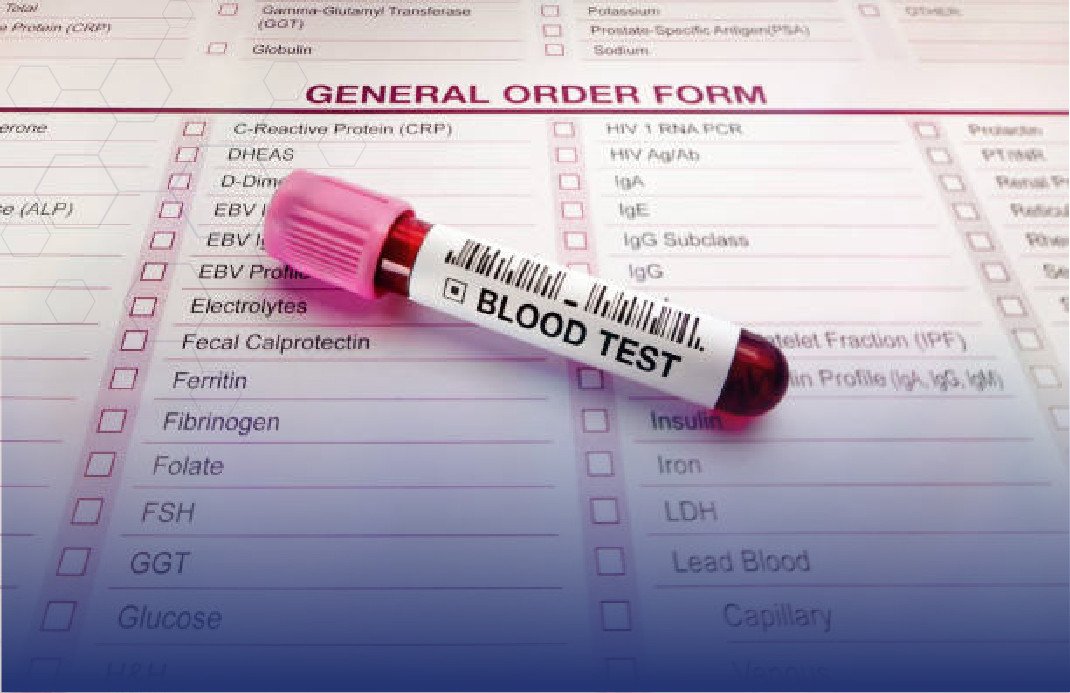
Understanding Your Blood Test Results as a Hypertension Patient
When you’re managing high blood pressure, your doctor may order blood tests regularly. But what do all those numbers mean?
Too often, patients get their lab results—and feel more confused than informed. But these tests offer a window into how your body is handling the pressure—literally.
Here’s a clear guide to the most common blood tests for hypertension patients, what they measure, and how to use that information to protect your heart, kidneys, and more.
Why Blood Tests Matter for Hypertension
High blood pressure doesn’t just affect your arteries. Over time, it puts strain on your:
Kidneys (which help regulate BP and fluid balance)
Heart and blood vessels
Liver, electrolytes, and hormones
Metabolism (including blood sugar and cholesterol)
That’s why doctors check your blood regularly—to catch early damage, monitor medication effects, and guide your treatment.
Common Blood Tests for Hypertension Patients
1.?A complete blood count (CBC)
CBC is a blood test. It's used to look at overall health and find a wide range of conditions, including anemia.
A complete blood count test measures the following:
Red blood cells, which carry oxygen
White blood cells, which fight infection
Hemoglobin, the oxygen-carrying protein in red blood cells
Hematocrit, the amount of red blood cells in the blood
Platelets, which help blood to clot
A complete blood count can show unusual increases or decreases in cell counts. Those changes might point to a medical condition that calls for more testing.
2. Creatinine and eGFR (Kidney Function)
Creatinine: A waste product filtered by the kidneys
eGFR (estimated Glomerular Filtration Rate): How well your kidneys are working
Normal eGFR: ≥ 90 mL/min/1.73m² (lower values mean reduced function)
Why it matters: High BP is a leading cause of chronic kidney disease. These numbers show if your kidneys are under stress.
? 2. Sodium and Potassium (Electrolytes)
Sodium (Na): Affects fluid balance and BP
Potassium (K): Helps control heart rhythm and blood pressure
Why it matters: Some BP meds like diuretics or ACE inhibitors can raise or lower these levels. Too much or too little potassium can be dangerous.
❤️ 3. Lipid Panel (Cholesterol Check)
LDL (“bad” cholesterol): Should be <100 mg/dL
HDL (“good” cholesterol): Aim for >40 mg/dL (men), >50 mg/dL (women)
Triglycerides: Should be <150 mg/dL
Total cholesterol: Should be <200 mg/dL
Why it matters: Cholesterol and triglycerides are lipids, or fats. These fats are important for cell health, but they can be harmful when they build up in the blood. Sometimes they can lead to clogged, inflamed arteries, a condition call atherosclerosis. This may keep your heart from working normally if the arteries of your heart muscle are affected.
? 4. Blood Glucose and HbA1c (Sugar Levels)
Fasting glucose: Normal = 70–100mg/dL
HbA1c: Reflects average blood sugar over 3 months (normal = <5.7%). If you have diabetes, an ideal HbA1c level is 6.5% or below
Why it matters: Diabetes and hypertension often go hand in hand. High sugar levels stiffen blood vessels and increase stroke and kidney risks.
? 5. Uric Acid
Normal range: Men <7.0 mg/dL, Women <6.0 mg/dL
High levels can lead to gout and kidney stress
Why it matters: Some diuretics can raise uric acid. If you’re experiencing joint pain, this test helps find the cause.
? 6. TSH (Thyroid Stimulating Hormone)
Normal range: 0.4–4.0 µIU/mL
Both low and high thyroid function can affect BP
Why it matters: Unexpected BP spikes or fatigue might not be about the heart—it could be your thyroid.
How Often Should You Get Tested?
Every 3–6 months if your BP meds were recently changed
Every 6–12 months if you’re stable and well-controlled
Sooner if you have kidney disease, diabetes, or unexplained symptoms
How to Make Sense of Results
Compare to your last test—not just the normal range
Ask your doctor what each result means for you
Track over time—a single “high” doesn’t always mean danger
Use tools like Blueberry to keep your labs organized and easy to share
How Blueberry Makes Lab Tracking Easier
With Blueberry, you can:
Log and track your blood test results in one secure space
See trends in kidney function, cholesterol, sugar, and more
Share results with your doctor during in-person or virtual visits
Receive personalized alerts or coaching if something’s off
Match symptoms (like fatigue or swelling) with lab results for deeper insight
Instead of relying on memory or printed results, you get a clear, connected view of your health.
Blood tests aren’t just about numbers—they’re about early warning, smarter treatment, and long-term protection.
As a hypertension patient, you don’t have to guess what your labs mean. You just need the right questions, a little guidance—and support from tools like Blueberry that turn data into action.
فهم نتائج فحوصات الدم لمرضى ارتفاع ضغط الدم
عندما تكون بصدد إدارة ارتفاع ضغط الدم، قد يطلب طبيبك إجراء فحوصات دم بشكل منتظم.
لكن... ماذا تعني كل هذه الأرقام؟ كثيرًا ما يستلم المرضى نتائج تحاليلهم—ويشعرون بمزيد من الحيرة بدلًا من الفهم.
لكن هذه الفحوصات تُعطي نظرة داخلية على كيفية تكيّف جسمك مع الضغط—بالمعنى الحرفي.
إليك دليلًا واضحًا لأكثر فحوصات الدم شيوعًا لمرضى الضغط، ما الذي تقيسه، وكيف يمكن استخدام نتائجها لحماية قلبك، كليتيك، وغيرهما.
لماذا تعتبر فحوصات الدم مهمة لمرضى ارتفاع الضغط؟
ارتفاع ضغط الدم لا يؤثر فقط على الشرايين. مع الوقت، يُجهد الجسم بأكمله، خاصة:
• الكليتين (اللتين تنظمان ضغط الدم وتوازن السوائل)
• القلب والأوعية الدموية
• الكبد، والإلكتروليتات، والهرمونات
• الأيض (بما في ذلك سكر الدم والكوليسترول)
لهذا السبب يقوم الأطباء بفحص الدم بانتظام — لاكتشاف التلف المبكر، متابعة تأثير الأدوية، وتوجيه العلاج المناسب.
فحوصات الدم الشائعة لمرضى ارتفاع الضغط
1. ? العدّ الدموي الكامل (CBC)
اختبار CBC هو فحص دم يُستخدم لتقييم الصحة العامة واكتشاف مجموعة واسعة من الحالات، مثل فقر الدم.
يقيس ما يلي:
• خلايا الدم الحمراء التي تحمل الأكسجين
• خلايا الدم البيضاء التي تحارب العدوى
• الهيموغلوبين، وهو بروتين الدم الحامل للأكسجين
• الهيماتوكريت، نسبة خلايا الدم الحمراء في الدم
• الصفائح الدموية، التي تساعد على تجلط الدم
يمكن للعدّ الدموي الكامل أن يكشف عن زيادات أو انخفاضات غير طبيعية في عدد الخلايا، مما قد يشير إلى حالة طبية تحتاج لمزيد من الفحوصات.
2. الكرياتينين و eGFR (وظائف الكلى)
• الكرياتينين: ناتج فضلات يتم ترشيحه عبر الكليتين
• eGFR (معدل الترشيح الكبيبي التقديري): يقيس كفاءة عمل الكلى
• القيمة الطبيعية لـ eGFR: ≥ 90 مل/دقيقة/1.73م² (القيم الأقل تشير إلى ضعف الوظيفة)
لماذا يهم؟
ارتفاع ضغط الدم هو سبب رئيسي لأمراض الكلى المزمنة. هذه الأرقام تُظهر إذا كانت الكلى تحت ضغط.
? 3. الصوديوم والبوتاسيوم (إلكتروليتات)
• الصوديوم (Na): يؤثر على توازن السوائل وضغط الدم
• البوتاسيوم (K): يساعد في تنظيم نبض القلب وضغط الدم
لماذا يهم؟
بعض أدوية الضغط مثل المدرّات أو مثبطات ACE قد ترفع أو تخفض هذه المستويات. والزيادة أو النقص في البوتاسيوم قد يكون خطرًا.
❤️ 4. تحاليل الدهون (فحص الكوليسترول)
• الكوليسترول الضار (LDL): يجب أن يكون أقل من 100 ملغم/ديسيلتر
• الكوليسترول الجيد (HDL): يفضّل أن يكون أعلى من 40 (للرجال)، وأعلى من 50 (للنساء)
• الدهون الثلاثية (Triglycerides): يجب أن تكون أقل من 150 ملغم/ديسيلتر
• إجمالي الكوليسترول: أقل من 200 ملغم/ديسيلتر
لماذا يهم؟
الدهون مهمة لصحة الخلايا، لكن تراكمها قد يؤدي إلى انسداد والتهاب الشرايين، وهي حالة تُعرف بـ تصلب الشرايين.
إذا أثّرت على شرايين القلب، فقد تُضعف أداءه.
? 5. سكر الدم و HbA1c (مؤشرات السكر)
• سكر الدم الصائم: القيم الطبيعية بين 70–100 ملغم/ديسيلتر
• HbA1c: يُظهر معدل السكر خلال 3 أشهر (الطبيعي < 5.7%). لمرضى السكري، يُفضل أن يكون 6.5% أو أقل
لماذا يهم؟
السكري وارتفاع الضغط غالبًا ما يترافقان. مستويات السكر العالية تُقسي الأوعية الدموية وتزيد من خطر السكتة وأمراض الكلى.
? 6. حمض اليوريك
• المعدل الطبيعي: الرجال <7.0 ملغم/ديسيلتر، النساء <6.0 ملغم/ديسيلتر
• ارتفاعه قد يسبب النقرس ويُجهد الكلى
لماذا يهم؟
بعض المدرّات ترفع حمض اليوريك. إذا كنت تعاني من آلام المفاصل، فهذا الفحص يساعد في تحديد السبب.
? 7. TSH (الهرمون المحفز للغدة الدرقية)
• النطاق الطبيعي: 0.4–4.0 µIU/mL
• قصور أو فرط نشاط الغدة الدرقية قد يؤثر على ضغط الدم
لماذا يهم؟
ارتفاع الضغط المفاجئ أو الشعور بالتعب قد لا يكون سببه القلب—بل الغدة الدرقية.
كم مرة يجب إجراء هذه الفحوصات؟
• كل 3–6 أشهر إذا تم تغيير أدويتك مؤخرًا
• كل 6–12 شهرًا إذا كان الضغط مستقرًا
• بشكل أسرع إذا كنت تعاني من أمراض كلى، سكري، أو أعراض غير مفسّرة
كيف تفسّر نتائج التحاليل؟
قارن بنتائج التحليل السابقة—not فقط بالنطاق الطبيعي
اسأل طبيبك عن معنى كل نتيجة بالنسبة لك
تابع النتائج على المدى الطويل—نتيجة "مرتفعة" واحدة لا تعني خطرًا بالضرورة
استخدم أدوات مثل بلوبيري لتسهيل تنظيم تحاليلك ومشاركتها
كيف يُسهّل بلوبيري تتبّع التحاليل؟
مع بلوبيري، يمكنك:
• تسجيل وتتبع نتائج فحوصات الدم في مكان آمن
• رؤية الاتجاهات في وظائف الكلى، الكوليسترول، السكر، والمزيد
• مشاركة النتائج مع طبيبك خلال الزيارات المباشرة أو الافتراضية
• تلقي تنبيهات مخصصة أو إرشادات إذا ظهرت أي تغييرات
• ربط الأعراض (مثل التعب أو التورم) مع التحاليل لفهم أعمق
بدل الاعتماد على الذاكرة أو الأوراق المطبوعة، ستحصل على نظرة واضحة ومتصلة لصحتك
المنشورات الأخيرة

Hypertension in the Elderly: Tailoring Treatment for Aging Bodies - ارتفاع ضغط الدم لدى كبار السن: علاج مخصص لأجسام متقدمة بالعمر

Managing Blood Pressure During Hajj and Umrah Safely - التحكم بالضغط أثناء الحج والعمرة بأمان

Pediatric Hypertension: What Parents in Saudi Arabia Should Know - ارتفاع الضغط لدى الأطفال: ما يجب أن يعرفه الأهالي في السعودية
Hypertension in Diabetics: Double Trouble and How to Manage It - الضغط العالي لدى مرضى السكري: مشكلة مزدوجة وكيفية التعامل معها

High Blood Pressure in Young Adults: An Alarming Trend in Saudi Arabia - ارتفاع ضغط الدم لدى الشباب: ظاهرة مقلقة في السعودية

Hypertension in Women: Hormones, and Menopause - ارتفاع الضغط لدى النساء: تأثير الهرمونات وسن اليأس

Hypertension during Pregnancy - ارتفاع الضغط أثناء الحمل

Hypertension and Cognitive Decline: Protecting Your Brain Health - ارتفاع الضغط والتدهور الذهني: كيف تحمي صحة عقلك؟
Can You Ever Stop Taking BP Medications? A Realistic Look - هل يمكنك التوقف عن تناول أدوية الضغط؟ نظرة واقعية