Hypertension and Vision Loss: Protecting Your Eyes - ارتفاع الضغط وفقدان البصر: كيف تحمي عينيك؟
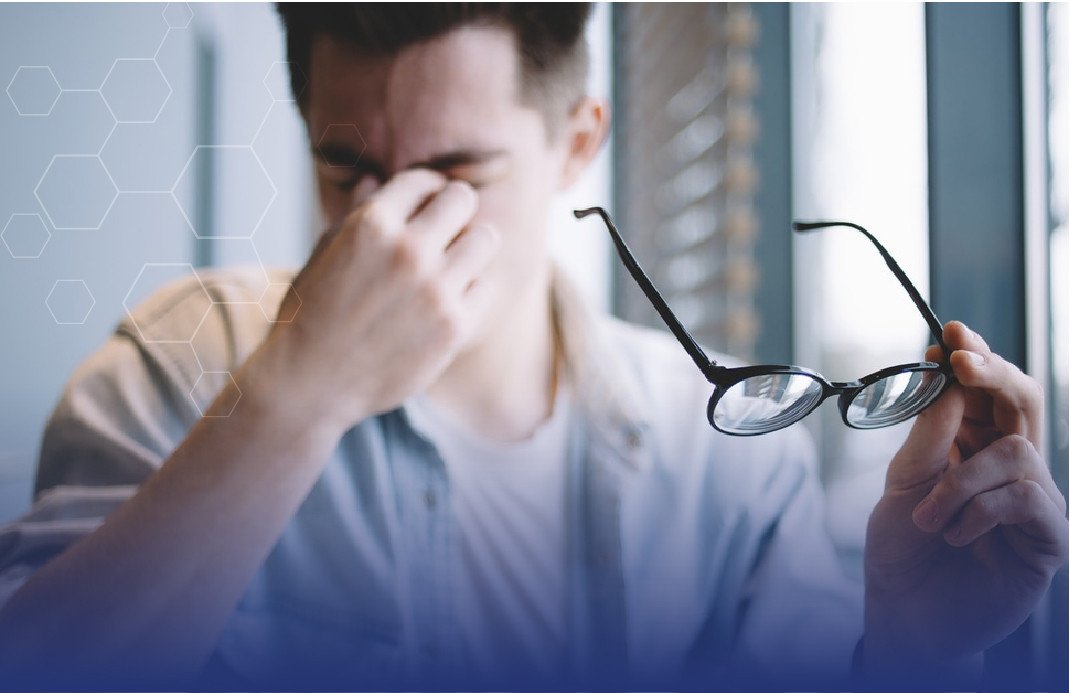
Hypertension and Vision Loss: Protecting Your Eyes
Most people think of high blood pressure as a heart problem. But what many don’t realize is that it can quietly damage another critical organ: Your eyes.
High blood pressure can lead to vision loss, eye bleeding, and even blindness—often without warning. The good news? These complications are largely preventable if you know what to watch for and take early action.
Here’s how hypertension affects your vision—and what you can do to protect it.
How High Blood Pressure Damages the Eyes
Your eyes contain a network of tiny, delicate blood vessels—especially in the retina, the part at the back of your eye that captures visual signals. Uncontrolled high blood pressure can cause these conditions to develop:
Blood vessel damage: Blurred vision or the complete loss of sight can happen without blood flow to the retina. (The retina is a layer of the eyeball.) People with diabetes and high blood pressure are at a greater risk for having this condition. Managing blood pressure is the only way to treat the condition known as hypertensive retinopathy.
Fluid buildup under the retina: This buildup of fluid under the retina creates distorted vision or scars that harm vision. This is known as choroidopathy.
Nerve damage: Blocked blood flow damages the optic nerve. This can kill nerve cells in your eyes, which may cause vision loss. This is known as optic neuropathy.
Other conditions: High blood pressure may increase the risk of developing other eye conditions such as glaucoma and macular degeneration, which can cause vision impairment or blindness if left untreated.
This condition is called hypertensive retinopathy, and it can worsen gradually—without pain or early symptoms.
Vision Problems Linked to Hypertension
?️ 1. Hypertensive Retinopathy
Blurred vision
Dark spots or blind areas
Bleeding inside the eye (visible in exams before symptoms show)
Risk increases with how long and how poorly BP is controlled
? 2. Retinal Vein or Artery Occlusion
Like a stroke in the eye: sudden, painless vision loss in one eye
Often caused by a clot or pressure-damaged vessel
?️?️ 3. Optic Neuropathy
Damage to the optic nerve from poor blood flow
Can cause permanent blind spots or vision loss
? 4. Stroke-Related Vision Problems
Double vision
Visual field loss
Trouble coordinating eye movement
Warning Signs You Should Never Ignore
Even mild changes in vision can signal a serious issue. Call your doctor or see an eye specialist if you notice:
Sudden vision loss in one eye
Blurry or dim vision
Frequent headaches with eye pressure
Flashing lights or floaters
Trouble focusing or visual “blackouts”
Early treatment may prevent permanent damage.
Eye Exams: A Vital Part of Hypertension Care
You don’t have to wait for symptoms. In fact, by the time you notice vision problems, damage may already be underway.
How often should you get your eyes checked?
Every 1–2 years if your BP is controlled
Once a year or more if your pressure is high or you have other risks (diabetes, cholesterol, kidney disease)
Eye doctors can see signs of hypertensive damage before you feel it—making exams a key prevention step.
How to Protect Your Eyes (and Vision)
✅ 1. Keep your blood pressure under 130/80 mmHg
This is the most powerful way to reduce eye damage risk.
✅ 2. Take your medication regularly
Missing doses—even occasionally—can cause sudden spikes that affect your vision.
✅ 3. Limit sodium to 1,500–2,300 mg/day
Too much salt raises pressure and damages vessels.
✅ 4. Avoid smoking
Smoking compounds damage to blood vessels and raises clot risk in the eyes.
✅ 5. Manage diabetes and cholesterol
These conditions increase the risk of eye complications when combined with high BP.
✅ 6. Wear sunglasses
UV protection supports overall eye health—especially outdoors in bright climates.
How Blueberry Supports Eye Health Through BP Management
Vision protection starts with blood pressure control—and Blueberry helps you stay on top of both.
Track BP readings and spot dangerous trends early
Share home readings with your doctor and adjust medications as needed
Log symptoms like headaches or blurred vision
Coordinate care between your primary provider and eye specialist
Access dietary and lifestyle coaching that supports long-term vision health
When care is connected, you don’t miss warning signs—and your eyes stay protected.
With the right care plan, regular eye exams, and BP management through tools like Blueberry, you can protect your vision—and your quality of life—for the long term.
ارتفاع ضغط الدم وفقدان البصر: حماية عينيك
يفكر معظم الناس في ارتفاع ضغط الدم كمشكلة قلبية. لكن ما لا يدركه الكثيرون هو أنه يمكن أن يُلحق الضرر—بصمت—بعضو حيوي آخر: العينين.
قد يؤدي ارتفاع ضغط الدم إلى فقدان البصر، نزيف في العين، بل وحتى العمى—وغالبًا بدون إنذار.
الخبر السار؟ يمكن منع معظم هذه المضاعفات إذا كنت تعرف ما الذي تبحث عنه وتتصرف مبكرًا.
إليك كيف يؤثر ارتفاع الضغط على رؤيتك—وما يمكنك فعله لحمايتها.
كيف يُلحق ارتفاع ضغط الدم الضرر بالعينين
تحتوي العينان على شبكة دقيقة من الأوعية الدموية—خصوصًا في الشبكية، وهي الجزء الخلفي من العين الذي يلتقط الإشارات البصرية. ارتفاع ضغط الدم غير المنضبط يمكن أن يؤدي إلى الحالات التالية:
• تلف الأوعية الدموية: يمكن أن يحدث تشوش في الرؤية أو فقدان كامل للبصر عندما لا يصل الدم إلى الشبكية. (الشبكية هي طبقة في كرة العين). الأشخاص المصابون بالسكري وارتفاع ضغط الدم معرضون أكثر لهذه الحالة. التحكم في الضغط هو الطريقة الوحيدة لعلاج ما يُعرف باعتلال الشبكية الناتج عن ارتفاع ضغط الدم (Hypertensive Retinopathy).
• تراكم السوائل تحت الشبكية: هذا التراكم يسبب رؤية مشوشة أو ندوب تضر بالنظر. تُعرف هذه الحالة باسم Choroidopathy.
• تلف الأعصاب: تدفق الدم غير الكافي يتلف العصب البصري، مما قد يؤدي إلى موت خلايا الأعصاب في العين، وبالتالي فقدان البصر. تُعرف هذه الحالة باسم Optic Neuropathy.
• حالات أخرى: قد يزيد ارتفاع ضغط الدم من خطر الإصابة بحالات عينية مثل الزَرَق (Glaucoma) أو الضمور البقعي (Macular Degeneration)—وهما حالتان قد تؤديان إلى ضعف أو فقدان البصر إذا تُركتا دون علاج.
تُعرف هذه الحالة باسم اعتلال الشبكية الناتج عن ارتفاع الضغط، ويمكن أن تتفاقم تدريجيًا—دون ألم أو أعراض مبكرة.
مشاكل في الرؤية مرتبطة بارتفاع ضغط الدم
?️ 1. اعتلال الشبكية الناتج عن ارتفاع الضغط (Hypertensive Retinopathy)
• تشوش في الرؤية
• بقع داكنة أو مناطق عمياء
• نزيف داخل العين (يظهر في الفحوصات قبل ظهور الأعراض)
• يزداد الخطر مع طول مدة ودرجة سوء السيطرة على الضغط
? 2. انسداد الوريد أو الشريان الشبكي (Retinal Vein/Artery Occlusion)
• مثل سكتة دماغية داخل العين: فقدان مفاجئ وغير مؤلم للرؤية في عين واحدة
• غالبًا بسبب جلطة أو وعاء دموي متضرر بالضغط
?️?️ 3. الاعتلال العصبي البصري (Optic Neuropathy)
• تلف في العصب البصري بسبب ضعف تدفق الدم
• قد يسبب بقعًا عمياء دائمة أو فقدان في الرؤية
? 4. مشاكل الرؤية المرتبطة بالسكتات الدماغية
• ازدواجية في الرؤية
• فقدان في مجال الرؤية
• صعوبة في تنسيق حركة العين
علامات تحذيرية لا يجب تجاهلها
حتى التغيرات الطفيفة في الرؤية قد تشير إلى مشكلة خطيرة. اتصل بطبيبك أو قم بزيارة أخصائي العيون إذا لاحظت:
• فقدان مفاجئ للرؤية في عين واحدة
• رؤية مشوشة أو باهتة
• صداع متكرر مع ضغط خلف العين
• وميض أضواء أو أجسام عائمة
• صعوبة في التركيز أو "انقطاعات" بصرية
العلاج المبكر قد يمنع حدوث ضرر دائم.
فحوصات العين: جزء أساسي من رعاية ارتفاع ضغط الدم
لا تحتاج إلى انتظار ظهور الأعراض. في الواقع، عند ظهور مشاكل في الرؤية، قد يكون الضرر قد بدأ بالفعل.
كم مرة يجب فحص العينين؟
• كل 1–2 سنة إذا كان ضغط الدم مضبوطًا
• مرة في السنة أو أكثر إذا كان الضغط مرتفعًا أو كنت معرضًا لمخاطر أخرى (السكري، الكوليسترول، أمراض الكلى)
يمكن لأطباء العيون رؤية علامات الضرر الناتج عن الضغط قبل أن تشعر بها—لذا فإن الفحوصات خطوة أساسية للوقاية.
كيف تحمي عينيك (وبصرك)
✅ 1. حافظ على ضغط الدم أقل من 130/80 ملم زئبقي
أقوى وسيلة لتقليل خطر ضرر العين.
✅ 2. تناول أدويتك بانتظام
تفويت الجرعات—even أحيانًا—يمكن أن يسبب ارتفاعات مفاجئة تؤثر على الرؤية.
✅ 3. قلل من الصوديوم إلى 1,500–2,300 ملغم/يوم
الملح الزائد يرفع الضغط ويضر الأوعية الدموية.
✅ 4. تجنب التدخين
التدخين يزيد من تلف الأوعية الدموية ويرفع خطر التجلط داخل العين.
✅ 5. راقب السكري والكوليسترول
تزيد هذه الحالات من خطر مضاعفات العين عند اقترانها بارتفاع الضغط.
✅ 6. ارتدِ نظارات شمسية
الحماية من الأشعة فوق البنفسجية تدعم صحة العين العامة—خصوصًا في الأجواء المشمسة.
كيف يساعدك بلوبيري في حماية العين من خلال إدارة الضغط
تبدأ حماية البصر من السيطرة على ضغط الدم—وبلوبيري يساعدك على التحكم بكليهما.
• تتبع قراءات الضغط واكتشف الاتجاهات الخطيرة مبكرًا
• شارك قياساتك المنزلية مع طبيبك وعدّل الأدوية حسب الحاجة
• سجل الأعراض مثل الصداع أو تشوش الرؤية
• نسّق الرعاية بين طبيبك الأساسي وأخصائي العيون
• استفد من إرشاد غذائي ونمط حياة يدعم صحة البصر على المدى الطويل
عندما تكون الرعاية مترابطة، لا تفوّت علامات التحذير—وتبقى عيناك محميتين.
مع خطة رعاية مناسبة، وفحوصات عين منتظمة، وإدارة الضغط باستخدام أدوات مثل بلوبيري، يمكنك حماية رؤيتك—وجودة حياتك—على المدى البعيد.
المنشورات الأخيرة

Hypertension in the Elderly: Tailoring Treatment for Aging Bodies - ارتفاع ضغط الدم لدى كبار السن: علاج مخصص لأجسام متقدمة بالعمر

Managing Blood Pressure During Hajj and Umrah Safely - التحكم بالضغط أثناء الحج والعمرة بأمان

Pediatric Hypertension: What Parents in Saudi Arabia Should Know - ارتفاع الضغط لدى الأطفال: ما يجب أن يعرفه الأهالي في السعودية
Hypertension in Diabetics: Double Trouble and How to Manage It - الضغط العالي لدى مرضى السكري: مشكلة مزدوجة وكيفية التعامل معها

High Blood Pressure in Young Adults: An Alarming Trend in Saudi Arabia - ارتفاع ضغط الدم لدى الشباب: ظاهرة مقلقة في السعودية
Hypertension in Women: Hormones, and Menopause - ارتفاع الضغط لدى النساء: تأثير الهرمونات وسن اليأس
Hypertension during Pregnancy - ارتفاع الضغط أثناء الحمل
Hypertension and Cognitive Decline: Protecting Your Brain Health - ارتفاع الضغط والتدهور الذهني: كيف تحمي صحة عقلك؟
Can You Ever Stop Taking BP Medications? A Realistic Look - هل يمكنك التوقف عن تناول أدوية الضغط؟ نظرة واقعية