Heart Failure and High Blood Pressure: Early Signs and Prevention Tactics - فشل القلب وارتفاع الضغط: علامات مبكرة واستراتيجيات الوقاية
Heart Failure and High Blood Pressure: Early Signs and Prevention Tactics
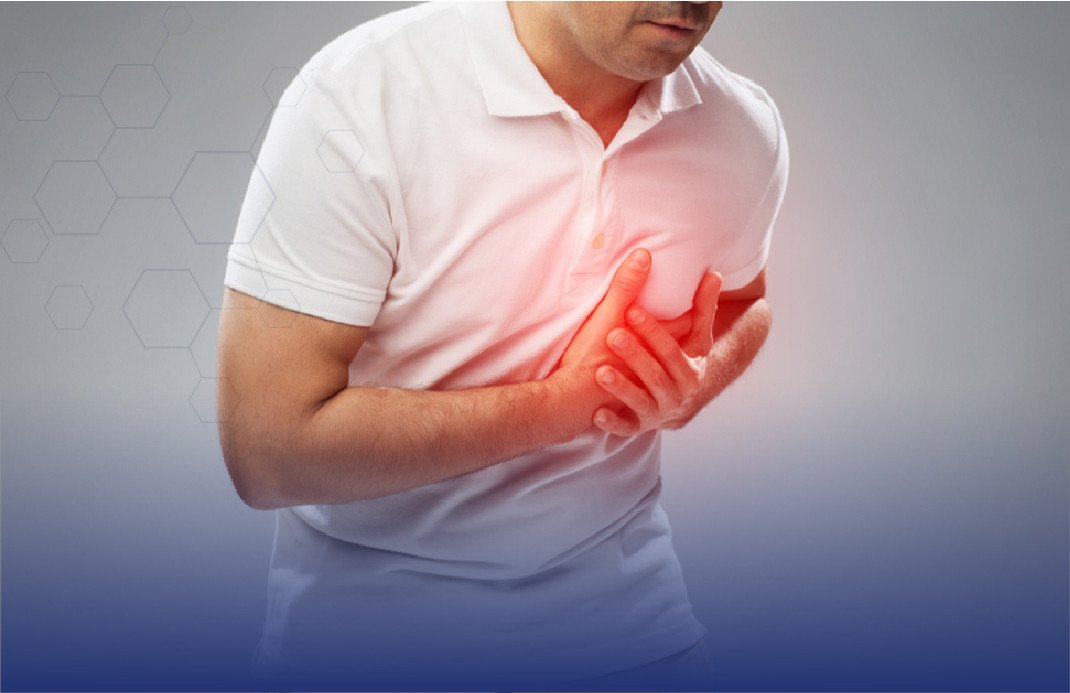
High blood pressure doesn’t just increase your risk of stroke and kidney damage—it can slowly weaken your heart over time, leading to a serious condition called heart failure.
Heart failure is when your heart is unable to pump enough blood to the body. It can happen quickly or take years to develop. Heart failure is caused by many factors, including the thickening and/or stiffening of the heart’s walls and blood vessels that have become narrow from uncontrolled high blood pressure.
But here’s the good news: in most cases, heart failure is preventable—especially when you catch the signs early and take action.
If you have hypertension, understanding how it affects your heart—and what you can do to protect it—is one of the smartest moves you can make.
What Is Heart Failure?
Heart failure doesn’t mean your heart has stopped. It means your heart muscle is too weak or too stiff to pump blood properly. It happens when long-term pressure forces the heart to work harder than it should—eventually causing it to enlarge, thicken, or wear out.
There are two main types:
Heart failure with reduced ejection fraction (HFrEF): The heart can’t pump well
Heart failure with preserved ejection fraction (HFpEF): The heart pumps normally, but can’t relax properly
In both types, blood and fluid back up in the body, leading to symptoms and long-term damage.
How High Blood Pressure Leads to Heart Failure
When your blood pressure is high, your heart has to push harder to move blood through your arteries. Over time, this causes:
High blood pressure adds to your heart’s workload: When arteries become narrow and less flexible, it’s harder for blood to travel throughout your body. This causes your heart to work harder.
Over time, a higher workload leads to an enlarged heart: To deal with increased demands, the heart muscle thickens and becomes larger. The heart can still pump blood, but it becomes less efficient. The larger the heart becomes, the harder it works to meet your body's demands for oxygen and nutrients.
This pressure overload is the #1 cause of heart failure worldwide.
Early Warning Signs of Heart Failure
Most people don’t recognize the early signs—until they’re in the hospital.
Watch for:
Early Warning Signs (Don't Ignore!)
Advanced Symptoms (Seek Help NOW)
If you notice these symptoms, don’t wait—call your doctor or go to the hospital. Early treatment can stop or slow progression.
Prevention Starts with Blood Pressure Control
Here’s what you can do today to protect your heart:
✅ 1. Keep BP below 130/80 mmHg
Track at home with a reliable monitor. Daily readings show your real progress—not just what happens in the clinic.
✅ 2. Take your medications consistently
Even one missed dose can let your pressure climb. Blueberry helps you track meds and receive reminders so you stay on schedule.
✅ 3. Watch for salt and fluid overload
Too much sodium causes fluid retention—making your heart work harder. Aim for <2,300 mg/day, or <1,500 mg/day if you have heart risk factors.
✅ 4. Exercise gently and consistently
30 minutes of walking or low-impact activity 4–5 days a week strengthens your heart without strain.
✅ 5. Manage weight, cholesterol, and diabetes
All three affect how hard your heart has to work. A healthy routine protects your entire cardiovascular system.
✅ 6. Avoid NSAIDs and smoking
Pain relievers like ibuprofen can cause fluid retention. Smoking stiffens your arteries and speeds up heart damage.
How Blueberry Helps You Catch Problems Early
Blueberry supports heart failure prevention through:
BP tracking tools and early alerts for abnormal trends
Medication and symptom logs to detect issues before they escalate
Access to dietitians and coaches for salt, weight, and fluid management
Lab result and weight monitoring to spot early signs of fluid buildup
Care team coordination to adjust your plan before it’s too late
When you’re supported consistently—not just at appointments—you reduce your risk of ending up in the hospital. Heart failure doesn’t happen overnight—it’s the result of pressure that builds quietly over time.
But if you manage your blood pressure, stay alert to the signs, and stay connected to a care team through tools like Blueberry, you can stop the damage before it starts.
Your heart is working hard for you. Make sure you’re doing the same for it.
فشل القلب وارتفاع ضغط الدم: العلامات المبكرة واستراتيجيات الوقاية
ارتفاع ضغط الدم لا يرفع فقط من خطر الإصابة بالسكتة الدماغية وتلف الكلى — بل يمكن أن يُضعف قلبك تدريجيًا مع مرور الوقت، ويؤدي إلى حالة خطيرة تُعرف باسم فشل القلب.
فشل القلب هو عندما يعجز قلبك عن ضخ الدم بشكل كافٍ للجسم. قد يحدث فجأة أو يتطور على مدى سنوات. ومن أسبابه الرئيسية: سماكة أو تصلّب جدران القلب، وتضيّق الأوعية الدموية نتيجة ارتفاع ضغط الدم غير المُتحكم فيه.
ولكن إليك الخبر السار: في أغلب الحالات، يمكن الوقاية من فشل القلب — خصوصًا عند التعرف على العلامات المبكرة واتخاذ الإجراءات اللازمة.
إذا كنت مصابًا بارتفاع ضغط الدم، فإن فهم تأثيره على القلب — ومعرفة كيف تحميه — هو من أذكى القرارات التي يمكنك اتخاذها.
ما هو فشل القلب؟
فشل القلب لا يعني أن القلب قد توقف عن العمل. بل يعني أن عضلة القلب أصبحت ضعيفة جدًا أو صلبة جدًا لدرجة تعجز فيها عن ضخ الدم بكفاءة. ويحدث ذلك عندما يضطر القلب للعمل بجهد زائد بسبب ضغط الدم المرتفع المزمن، مما يؤدي إلى تضخمه أو سماكته أو إنهاكه.
يوجد نوعان رئيسيان:
• فشل القلب مع انخفاض نسبة الضخ (HFrEF): القلب لا يضخ الدم بشكل جيد
• فشل القلب مع نسبة ضخ محفوظة (HFpEF): القلب يضخ الدم طبيعيًا، لكنه لا يسترخي بشكل جيد
في كلا الحالتين، يتراكم الدم والسوائل في الجسم، مما يؤدي إلى أعراض ومضاعفات طويلة الأمد.
كيف يؤدي ارتفاع ضغط الدم إلى فشل القلب؟
عندما يكون ضغط الدم مرتفعًا، يضطر القلب لبذل جهد أكبر لضخ الدم عبر الشرايين. ومع مرور الوقت، يحدث التالي:
• ارتفاع الضغط يزيد عبء العمل على القلب: عندما تصبح الشرايين أضيق وأقل مرونة، يصبح من الصعب على الدم الوصول إلى أنحاء الجسم، فيعمل القلب بجهد مضاعف.
• مع الوقت، هذا الجهد يؤدي إلى تضخم القلب: لمواجهة هذه المتطلبات، تزداد سماكة عضلة القلب ويكبر حجمها. ورغم أنه ما زال يضخ الدم، إلا أنه يصبح أقل كفاءة. وكلما كبر القلب، كلما اضطر للعمل أكثر لتلبية حاجة الجسم من الأكسجين والمغذيات.
⚠️ هذا الحمل الزائد هو السبب الأول لفشل القلب على مستوى العالم.
العلامات المبكرة لفشل القلب
معظم الناس لا يلاحظون العلامات المبكرة — إلا بعد دخول المستشفى.
راقب ما يلي:
⚠️ علامات إنذار مبكر (لا تتجاهلها!)
? أعراض متقدمة (اطلب المساعدة فورًا!)
❗ إذا لاحظت أياً من هذه الأعراض، لا تنتظر — اتصل بطبيبك أو توجه إلى المستشفى.
العلاج المبكر يمكنه إيقاف أو إبطاء تطور الحالة.
الوقاية تبدأ من السيطرة على ضغط الدم
إليك ما يمكنك فعله اليوم لحماية قلبك:
✅ 1. حافظ على ضغط الدم أقل من 130/80 ملم زئبق
استخدم جهازًا موثوقًا للقياس المنزلي. القراءات اليومية تُظهر تقدمك الحقيقي—not فقط ما يراه الطبيب في العيادة.
✅ 2. تناول أدويتك بانتظام
حتى الجرعة الفائتة الواحدة قد تؤدي لارتفاع في الضغط.
تطبيق بلوبيري (Blueberry) يساعدك في تتبع الأدوية وتذكيرك بالمواعيد.
✅ 3. راقب الصوديوم والسوائل
الإفراط في تناول الملح يؤدي إلى احتباس السوائل — ما يجعل القلب يعمل بجهد أكبر.
الهدف: <2,300 ملغ/يوم، أو <1,500 ملغ/يوم لمن لديهم عوامل خطر.
✅ 4. مارس نشاطًا رياضيًا خفيفًا ومنتظمًا
30 دقيقة من المشي أو نشاط خفيف 4–5 أيام في الأسبوع تقوّي القلب دون إجهاده.
✅ 5. حافظ على وزن صحي وتحكم في الكوليسترول والسكري
كلها تؤثر على عمل القلب.
روتين صحي = حماية شاملة لجهازك القلبي الوعائي.
✅ 6. تجنب مضادات الالتهاب غير الستيرويدية والتدخين
مسكنات الألم مثل الإيبوبروفين تسبب احتباس السوائل.
أما التدخين فيجعل الشرايين أكثر صلابة ويُسرّع تلف القلب.
كيف يساعدك بلوبيري على اكتشاف المشاكل مبكرًا
بلوبيري يدعم الوقاية من فشل القلب عبر:
• أدوات لتتبع ضغط الدم وتنبيهات مبكرة عند ظهور مؤشرات خطيرة
• تسجيل الأدوية والأعراض لاكتشاف المشاكل قبل أن تتفاقم
• الوصول إلى أخصائيي تغذية ومدربين للتحكم بالملح، الوزن، والسوائل
• مراقبة التحاليل والوزن لرصد علامات التراكم المبكر للسوائل
• تنسيق بينك وبين فريق الرعاية لتعديل خطتك في الوقت المناسب
✅ عندما تتلقى الدعم بشكل مستمر—not فقط أثناء المواعيد—تقلل خطر دخول المستشفى.
فشل القلب لا يحدث فجأة — بل نتيجة لضغط يتراكم بصمت على مدى سنوات.
ولكن إذا سيطرت على ضغط دمك، وراقبت العلامات، وبقيت على تواصل مع فريق رعايتك عبر أدوات مثل بلوبيري، يمكنك منع الضرر قبل أن يبدأ.
❤️ قلبك يعمل بجد من أجلك... تأكد أنك تبذل الجهد لأجله أيضًا.
المنشورات الأخيرة

Hypertension in the Elderly: Tailoring Treatment for Aging Bodies - ارتفاع ضغط الدم لدى كبار السن: علاج مخصص لأجسام متقدمة بالعمر

Managing Blood Pressure During Hajj and Umrah Safely - التحكم بالضغط أثناء الحج والعمرة بأمان

Pediatric Hypertension: What Parents in Saudi Arabia Should Know - ارتفاع الضغط لدى الأطفال: ما يجب أن يعرفه الأهالي في السعودية
Hypertension in Diabetics: Double Trouble and How to Manage It - الضغط العالي لدى مرضى السكري: مشكلة مزدوجة وكيفية التعامل معها

High Blood Pressure in Young Adults: An Alarming Trend in Saudi Arabia - ارتفاع ضغط الدم لدى الشباب: ظاهرة مقلقة في السعودية

Hypertension in Women: Hormones, and Menopause - ارتفاع الضغط لدى النساء: تأثير الهرمونات وسن اليأس

Hypertension during Pregnancy - ارتفاع الضغط أثناء الحمل

Hypertension and Cognitive Decline: Protecting Your Brain Health - ارتفاع الضغط والتدهور الذهني: كيف تحمي صحة عقلك؟
Can You Ever Stop Taking BP Medications? A Realistic Look - هل يمكنك التوقف عن تناول أدوية الضغط؟ نظرة واقعية